Spirits of New Orleans? We’re Talking Cocktails!

Leave a comment

Forget taking a ghost tour when you go to New Orleans.  If you want to get in touch with the real spirits that inhabit New Orleans, try some of the original cocktails that were born in The Big Easy.

Guest poster, Kit Wohl offers a peek into her newest book from her Classic series called New Orleans Classic Cocktails. 


“CIVILIZATION BEGINS WITH DISTILLATION”       —WILLIAM FAULKNER

THE FIRST COCKTAIL

by Kit Wohl

The oldest known American cocktail is credited to an enterprising pharmacist, Antoine Amédée Peychaud, who devised Peychaud’s bitters. Not surprisingly, it became an ingredient in his 1870s concoction. The French native established a pharmacy in the Vieux Carré, serving his libations in a coquetier, a French egg cup. Localization of the word resulted in mispronunciation — cocktail. This tale could be true, perhaps not.

The word cock-tail was noted for prior to 1870 in a newspaper north of the Mason-Dixon line. Earlier it had been used in a different context, and rudely so, in London. It didn’t refer to our spirited coquetier. There, it was simply a word. Here it’s a tradition.

peychauds

A coffee bar down the block from Peychaud’s pharmacy was quickly renamed The Sazerac House to toast the cocktail. On everyone’s lips, the new drink was wildly popular, creating grins and new Sazerac bars around the city.

While the Sazerac was our first, it was certainly not the last in an ever-evolving array of fancy mixed drinks and cocktails. We’re still smiling.

~ Kit Wohl

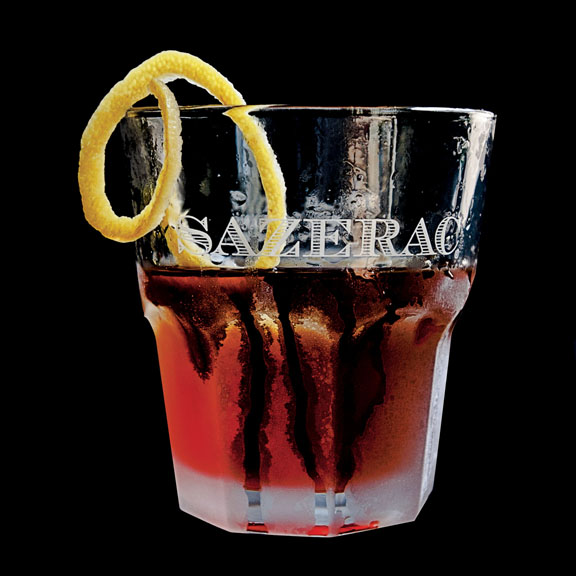
SAZERAC  

 SAZERAC BAR, ROOSEVELT HOTEL
sazeracMakes one cocktail

sugar cube

dash Peychaud’s bitters

3 ounces rye whiskey

1/2 ounce absinthe

lemon curl, for garnish

Many Sazerac bars emerged when Peychaud’s bitters was introduced, with only one surviving. The fanciful bar is in residence at the restored Roosevelt Hotel. Ingredients in the original recipe included cognac, absinthe, sugar and Peychaud’s bitters. Pernod and Herbsaint replaced absinthe when it was banned in America in 1912. Absinthe is once again back on the shelf after an evil scheme that labeled it as a poisonous hallucinogen.

In a cocktail shaker, saturate the sugar cube with the bitters and crush. Add ice, the rye and absinthe and stir. Strain the shaker into a chilled Old Fashioned glass. Garnish by twisting the lemon curl over the drink to release the oil then place it over the side of the glass.

OLD ABSINTHE HOUSE

RAMOS GIN FIZZ

One of New Orleans’ most revered cocktails, the drink was created by barman Henry Ramos in the 1880s. As governor of Louisiana, Huey Long often traveled with his bartender so he would always have his cocktail prepared just so. It dates to the Old Absinthe House at the corner of Bourbon and Bienville where a secret room was created to harbor pirate Jean Lafitte. Pirates still hang out in the bar, usually on Friday afternoons.

The Ramos Fizz needs to be shaken like mad, sometimes five minutes or more to properly emulsify the cream, egg, and spirit, producing an exquisitely frothy drink.

gin fizz closeup with fleur de lis

11/2 ounces gin

2 ounces half and half

2 ounces whole milk

1 large egg white

1 tablespoon simple syrup

2 drops orange flower water (available in the baking section of supermarkets)

1/2 teaspoon fresh lemon juice


 Using a shaker half filled with ice, combine all the ingredients. Shake as long as you can stand it. Pour into a chilled glass.

Photos by Kit WohlNOCC_jacket

Kit Wohl’s Cookbook Series

Leave a comment

Celebrate New Orleans Cuisine with Kit Wohl’s Cookbook Series
Classic New Orleans

A truly wonderful and informative cookbook series featuring classic New Orleans dishes from the finest of the city’s restaurants and chefs is authored by Kit Wohl, photographer, artist, and food writer.  In six stunning books, she celebrates the best of the best known dishes from The Big Easy. Your mouth will water when you take this insider’s tour of New Orleans’ culture of cuisine. The shimmering photography, rich narrative, and recipes are sure to inspire any home cook.

wohl book gumbos copy

How Wohl got the great chefs of the city to spill the secrets of their famous cuisine is a mystery.  Just in time for Mardi Gras, with these books by your side, you will be able to prepare New Orleans Brunches, Appetizers, Gumbos and Soups, Seafood, and Desserts.

Also, at the top of any party planner’s list should be Wohl’s newest release in the Classics series– New Orleans Classic Cocktails.  You’ll be craving a tipple of the “spirited recipes”  after viewing eye-popping photos of each haute couture cocktail.  The book is a mixologist’s delight and presents the history of each drink along with the recipe. These books by Wohl are required reading for Mardi Gras 101.

51WaMiJDP6L._SL500_AA300_

For more about Kit Wohl’s work and latest award winning books see:

Kit Wohl Author’s Biography   and  New Orleans Classic Series (Amazon).

For a great Mardi Gras classic recipe from her New Orleans Classic Gumbos and Soupscookbook click on OTK’s Recipes link under the Featured Columns menu.

It’s Mardi Gras! Time for Tastes and Toasts

1 Comment

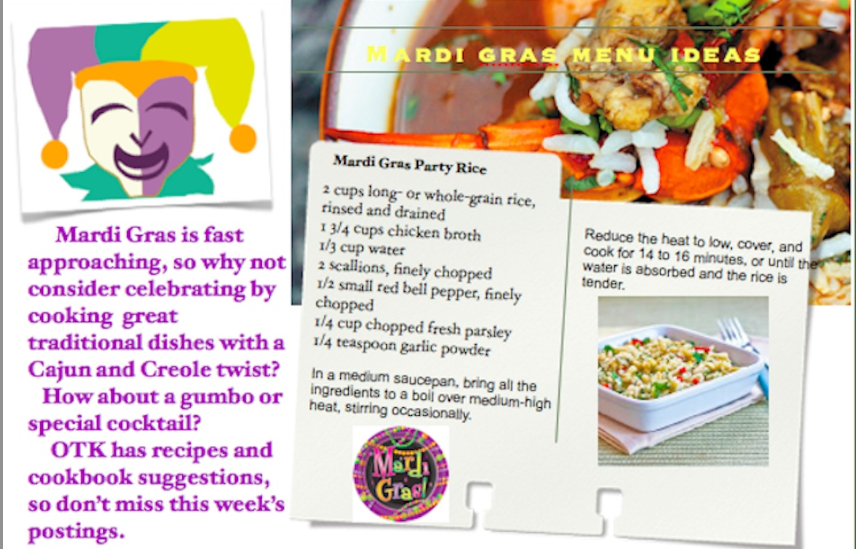
Are you ready for Fat Tuesday?

The great rite for “letting it all hang out” centered in New Orleans— the mecca of Mardi Gras celebrations–  is arriving February 12. The famous carnival days when the world turns topsy-turvy and the rules of social decorum go right out the window and tumble onto Bourbon Street are fast approaching. How will you celebrate?

 beads

Food is  a focal point for any festival, and a great tradition of eats dominates Mardi Gras celebrations.  At the crossroads of the Spanish, French, and  African people, the regional cuisine of New Orleans is a wonderful combination of  immigrant traditions.   Cajun and Creole worlds come together to create a spectrum of spectacular cuisine.

The Mardi Gras celebration has its roots in the worship of Dionysus, or Bacchus, an ancient religious ritual from classical culture that placed wine, women, and song at the center of intoxicated partying.  Masked revelers engaged in disorderly behavior, and an assumed alter-ego communed ecstatically with the frisky gods and goddesses. That certainly sounds a lot like what goes down in New Orleans during Mardi Gras.bourbon

Historically, during the rise of the Christian era in the third and fourth century, church leaders were wise to dovetail their religious traditions and festivals with those of the pagan world. Unruly behavior was tolerated by ecclesiastical leaders and became part of the holy days celebration leading to Easter.

Mardi Gras is a last hurrah to the life of temptation and sin. What better way to say goodbye to indulging the flesh (carne) and eating of meat on the day before Ash Wednesday than with a big party?  With the start of the Lenten period, it may be time to renounce worldly pleasures and get down to the salvation of the soul, but not before the ritual slaughter of the fatted cow and going whole hog with The Great Binge in The Big Easy.

While the Mardi Gras carnival sounds like a total free-for-all, there are plenty of traditions to make the proper party.  In New Orleans, balls, fund-raisers, social clubs, and parades are formalized ways to celebrate. Neighborhoods in the city prepare all year and re-enforce the importance of community as a result. The history of Mardi Gras is also rich in tradition and symbols. Music, costumes, and spectacle characterize each coalition of revelers as the big soiree and countless parades gets underway. In the weeks before Mardi Gras, the whole city is possessed and poised for the Bacchanalia.

Sacred clowns and feathered strummers and all the bead-gatherers along the parade routes undoubtedly will be thinking about their king cake and cocktails, red beans and rice, étouffee, jambalayas, and gumbos rich in oysters, shrimp, catfish, and andouille sausage.  There’s plenty to eat and lots of Cajun and Creole cuisine to explore.king cake

Plan to get fat on Fat Tuesday.  After all, you’ll have the rest of the year to eat in moderation.  Laissez les bon temps rouler!                 –MELorden

 What are you cooking for Mardi Gras? 

What Mardi Gras merrymaking are you planning?

(You’ll find  two terrific recipes called  Seafood Okra Gumbo Classique and Chicken and Andouille Sausage Étouffee  under  OTK’s Featured Column called Recipes.

 2 MARDI GRAS RECIPES 

And for a great cookbook series presenting an entire range of cuisine from New Orleans, please visit OTK’s Good Books For Cooks column to learn about Kit Wohl’s New Orleans Classics series. )


Chicken and Andouille Sausage Étouffee

Leave a comment

Spicy, smoked andouille sausage, the hallmark of Cajun cooking, is a star in this  recipe for an étouffee with chicken and features the best of several recipes I’ve been collecting for a while.  This stove top preparation is done all in one pot.

chickandouillegumbo

 I include tomatoes in this dish, but some versions do not.  It serves 4-6 people and is not difficult to make.  The hardest part is waiting for the dish to braise to perfection for 1 hour.  The perfume while it cooks will transport you directly to New Orleans.

Screen Shot 2013-02-03 at 4.25.18 PM

INGREDIENTS:

1 chopped shallot

3 chopped green onions and

chopped parsley for garnish

4 garlic cloves finely minced

1 chopped onion

1 chopped green pepper

3 stalks of celery

3 tablespoons butter

1/2 cup all purpose flour (or more if needed)

2 tablespoons olive oil

5 cups chicken stock (or low sodium broth)

2 bay leaves

1 1/2 tablespoon paprika

1/8 teaspoon cayenne

1 dash tabasco sauce

1 8-ounce can of diced tomatoes

olive oil

5 chicken legs

3/4 pound links andouille sausage

salt and pepper

1/2 teaspoon Cajun Spice mix (optional)

DIRECTIONS:

In a heavy bottomed, large enameled pot or Dutch oven set at medium high heat, add the oil.  Brown the sausage (thumb-sized links) a bit to get some of the fat into the pan, and turn the heat down to medium.  Remove and drain. Then add the chicken legs, generously seasoned with salt and pepper and cook till browned on both sides and drain.

Next, prepare the roux by adding the butter to the sausage and chicken fat followed by the flour.  Combine and stir constantly until a deep brown color is achieved, around 10-12  minutes. (Do not burn. Be patient.)

Add the chopped onion, pepper, celery and garlic and cook till the vegetables soften a bit.  Let the vegetables sweat. Then add the tomatoes and stir up all the good bits.  Next add in the chicken broth and season with cayenne, tabasco, and paprika ( and Cajun spice mix if desired).   Add the bay leaves.

Put the chicken back into the pot and cook covered for about 50-60 minutes until the  meat starts to fall off the bone.

Cut the sausage into thumb-sized pieces and take chicken off the bone.  Add the meats back to the pot, and let work in the pot another 10 minutes to combine flavors and reheat.

Serve in large soup bowls and garnish with the green onions and parsley.

MardiGrasBashMural_kcaulk_2009

To Market, To Market: List or Luck?

4 Comments

Living 500 yards from a fabulous whole foods style grocery story kind of puts a crimp in our grocery shopping habits.  We visit the store almost daily, usually having no planned purchases in mind. We sniff around and often grab foodstuffs on impulse.  Of course, we consciously go to get the staples (for my husband that would be beer, bagels, and bananas), and when we need milk.  But thoughtful lists of grocery items are rare in our household, and what we ultimately come home with is more often than not a crapshoot.  I’m not so sure this habit is in the best interest of home economics– or is it?

In the early years of our marriage when we lived more rurally, we made lengthy shopping lists and traveled to the big grocery together. We divided and conquered and discussed label choices. Each excursion was a satisfying venture in finding the right products, and then once home, we created the pre-planned menu over the following two weeks. We weren’t counting our pennies really, but we had the good sense to think ahead about what to keep in our cupboards and fridge for the sake of efficiency and avoiding wasted time and food.

grocery-store-checkout-retro

The cute magnetic “Shopping List” pad I got in my Christmas stocking this year is stuck to the front of the fridge.  It is empty.  Ignored. I tell myself that shopping on the fly is just like living in Europe, where the little specialty food shops offer patrons something fresh each day. I rationalize that I am  like Parisians who live off the Rue Cler , or like the villagers in a small Italian town. How romantic.

Shopping in this manner, I say, keeps bought items to a minimum. Because I am walking to the store, I am loathe to lug home heavy bags.  I enter the food emporium as though I were at a museum.  Navigating the stormy sea of produce, I see other shoppers clinging to their carts, checking lists and crossing them out; they are distracted and on a serious military mission with their maps and marching orders.  They backtrack and desperately ask for help from the stock people, and then they take off on their wild goose chases for that one particular product.  Me?  I’m floating through the stacks of a great library of foodstuffs and browsing.  I’m shopping with the right side of my brain. This is a creative endeavor.

On the other hand, as a personal cook, I make highly organized shopping lists for my clients’ orders.  When I shop for them, I go all out. I get into conversations with the butcher and the cheese people and the cashiers.  I enter another realm, and I take such food shopping seriously, carefully avoiding waste or inferior goods. But when it comes to my own habits, I let the formality slip and go on a shopping adventure– destination unknown.

How do you shop? Are you a list-maker?  Do you go to different stores to hunt down particular products?  Or do you “dowse” when you enter the market?

 Is there an advantage to just grazing one’s way through the grocery, or do you think it is probably fraught with danger?  

New Orleans Classic Gumbos and Soups

Leave a comment

By Kit Wohl

(Photos also by Kit Wohl)

Seafood Okra Gumbo Classique

Frank Davis (New Orleans television personality and cookbook author) shared this recipe with Wohl.  

Untitled

Note:  For a successful gumbo preparation, Wohl suggests that the cook assemble all the ingredients first for ‘mise en place’ ease of cooking.  Also, be sure you start with a very large pot that holds at least 10 quarts.  You’re cooking New Orleans style now!

SERVES 12-18

INGREDIENTS:

12 Tablespoons vegetable oil, divided

1 pound smoked sausage, diced

4 16-ounce cans sliced okra or 4 10-ounce packages of sliced frozen okra

2 gallons water or seafood stock, divided

2 sticks corn-oil margarine

6 Tablespoons all purpose flour

3 large white onions, finely chopped

3 teaspoons garlic powder

2 Tablespoons liquid crab boil seasoning

3 teaspoons fresh thyme, chopped

2 pounds shrimp, shelled and chopped

8 1.25 ounce packages of sun-dried shrimp, optional

1 pound fresh crab meat

12 raw gumbo crabs (small hard-shell crabs) cleaned/quartered

1 16-ounce can tomato sauce

8 whole bay leaves

1/2 cup parsley, finely chopped

2 Tablespoons kosher or sea salt

3 pounds shrimp, whole and raw

4 cups cooked rice

Place 6 tablespoons of the vegetable oil in the pot over high heat. Add the smoked sausage and brown well. The fat will be the base for browning the okra.  Reduce the heat to medium. Add the okra to the sausage and also brown it well.  It should cook in about 20 minutes. Pour in 1 quart of water and let the contents simmer, covered, on low heat.

In a small saucepan, begin preparing a brown roux. Place the remaining 6 tablespoons of vegetable oil, the 2 sticks of margarine and the 6 tablespoons of flour and cook until the flour turns brown. Add the onions, garlic powder, liquid crab boil seasoning and the thyme and stir briskly until the onions become tender and translucent.  Add the roux mixture to the okra in the large pot and blend together well. Add the remaining 7 quarts of water, increasing the heat level to medium-high and bring to a simmer. Reduce heat to low and allow the liquid to simmer for about 10 minutes, stirring constantly.

Set the whole raw shrimp aside and add the chopped shrimp, sun-dried shrimp (if using), crab meat, gumbo crabs, tomato sauce, seasonings, and stir.  The gumbo liquid should be brownish with a reddish tinge, and the okra should be broken up and suspended in the liquid. Cover the pot and simmer on low heat for about 25-30 minutes, stirring occasionally.

Then uncover the pot and add the 3 pounds of whole shrimp. Cook on high for about 5 minutes. When the shrimp are done, take the pot off the fire and set it aside, but leave the cover on for 20 more minutes. This will allow the seasonings to blend fully.

Finally, after the gumbo has cooled slightly, toss in the steamed rice and stir it in well.  Once again, cover the pot and let the rice grains soften for at least 40 inutes to pick up the flavors.  Freeze any leftovers.

(Leftovers?  Dream on. This recipe is pure delight and fit for a Mardi Gras king and his court.  There won’t be a drop left.)

mardis gras king copy

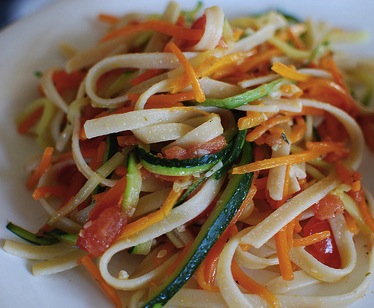
Julienned Veggie Pasta With Pesto

Leave a comment

Here is a recipe inspired by my vegetable peeler!  

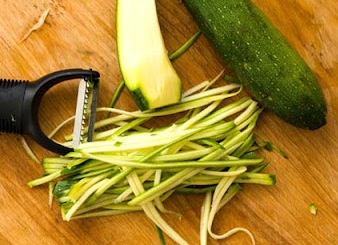
This dish contains no pasta and is fun to make when you use the peeler that juliennes vegetables

INGREDIENTS:

One of each (medium size) for julienne:   Zucchini, Carrot, Summer Squash, Sweet Potato (peeled)

1/2 cup chopped onion

2 cloves of chopped garlic

3 Tablespoons olive oil (and more for garnish)

salt and pepper

1/4 cup fresh basil

1/4 cup of your favorite pesto.

1 pint roasted grape tomatoes (or seasonal garden tomatoes if available)

parmesan cheese
4609912280_b5baf63e1a

DIRECTIONS:

Toss tomatoes in 1 tablespoon olive and season with salt and pepper. Roast on flat pan in 400 degree oven for about 30 minutes until lightly caramelized for taste to intensify.

Julienne the zucchini, carrot, summer squash, and peeled sweet potato.

In a large skillet, add 2 tablespoons of  olive oil. When hot, add chopped onion and stir till just softened.  Add sweet potato and soften (but do not brown).

Add garlic and stir till softened.  Then add the julienned strips of all the remaining veggies.  Stir until softened, but not browned.

Add roasted tomatoes and stir gently.

Remove from heat.  Add pesto and combine.  Transfer to large serving bowl. Salt and pepper if needed.  Add fresh basil leaves as garnish and some parmesan cheese.  Drizzle with more olive oil if desired.

.


When Kitchen Implements Inspire

12 Comments

When it’s time to make a meal, my first inspiration is often not the foodstuffs I have hanging around in fridge and cupboards, but rather the sort of cooking technology I really want to use.

“Time to take my cast iron skillet for a run,” I tell myself.  “It’s been awhile since this baby has laid some rubber on my kitchen stove.”  What I end up cooking is determined by what this skillet has always delivered up well.  It cooks a fluffy frittata, a glistening braised pork chop and caramelized apple dish, and a no-fail lemony chicken piccata.  And I’m off to the races, or the grocery store if necessary.

CastIronSkillet3

Another case of how technology shapes what I cook comes when looking in the gadget drawers.  I’m thinking that funky potato peeler with the blade that creates julienne strips has yet to be mastered, though I had some success with it before.  I’ll take on the challenge of the tool with the goal of making a pasta-less dish of strips of zucchini, carrot, summer squash, and sweet potato topped with the pesto I made last summer.  Can’t wait.  (PASTA JULIENNE   from RECIPES, an OTK Featured Column)

zucchini coleslaw_DSC8309

Sure, I’ve fallen victim to some new-fangled contraptions– like most cooks. But these fancy and specialized devices end up as rejected clunkers because I can’t master the mechanics, or I struggle assembling or cleaning all the pieces. In reality,  I lose interest because they simply fail to inspire good dishes.

Cooks look for cutting edge tools, but not necessarily because they are uber-efficient or impressive gizmos.  A truly great piece of kitchen technology invigorates the cook and gets the creative juices flowing. One look at that gorgeous pot or paring knife can coax any cook to turn on the burner and rattle those pots and pans.

What tools in your kitchen inspire your cooking? 

Tell OTK about your go-to kitchen technology and the memorable dishes you have created with it.